Description
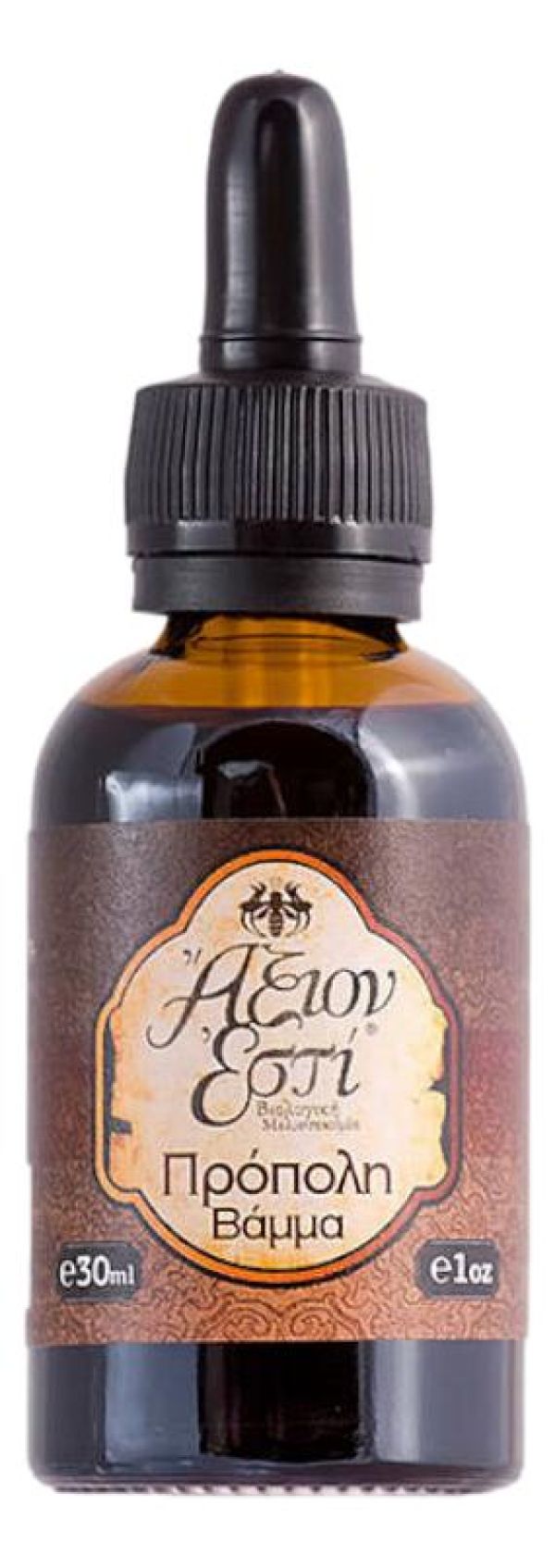
Propolis is produced by bees that mix resins, pollen, and wax. It has many biological and pharmacological properties. The natural disinfectant of Hippocratic medicine is still used today to boost the immune system and purify the skin.
Propolis is a resinous sticky substance collected by bees from plants, enriched with wax, pollen, enzymes, and other substances, and used to seal and disinfect the interior of their hive. Like royal jelly, the exact chemical composition of propolis remains unknown. The many flavonoids and concentrations of aromatic molecules are responsible for its antibacterial action, which is equivalent to antibiotics. Propolis is effective in oral hygiene in the form of solutions. It helps treat colds, sore throats, chronic pharyngitis, purulent tonsillitis, gastroenteritis, colitis, etc. Propolis covers a wide range of bacteria. It acts against staphylococcus and streptococcus, which are responsible for oral infections, while its concurrent administration with antibiotics reduces the damage these cause to the body. It does not affect the intestinal flora and is eliminated from the body without harming the kidneys and liver. The action of propolis against herpes viruses and adenoviruses is also very significant. It also acts preventively against influenza, hepatitis B, and shingles. Propolis promotes the healing of damaged tissues mainly thanks to the essential oils it contains. It can be used on wounds, scratches, injuries, eczema, and infections of all types on the skin because it causes antisepsis and rapid healing, while simultaneously protecting against microbes and bacteria. It also reduces swelling as it decreases the permeability of capillaries. Propolis is also effective in combating parasites such as trichomonas and trypanosomes and is recommended for local anesthetic action (e.g., insect bites or toothache).
| Ingredients |
|---|
| Propolis*, Ethyl alcohol, water*organic farming product |